
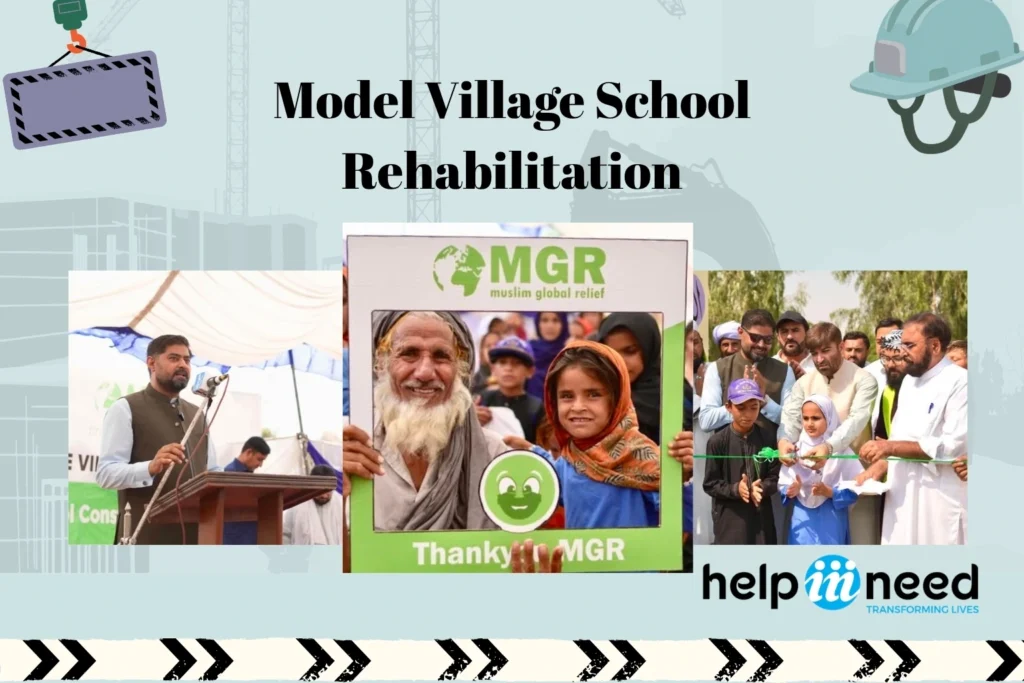
Many children in rural communities attend schools with damaged classrooms, limited facilities, and unsafe learning environments. Model Village School Rehabilitation addresses this challenge by improving school infrastructure, creating better opportunities for students, and helping communities build a brighter future.
Moreover, Rehabilitating schools creates safer classrooms and inspires greater confidence in education. It also strengthens communities by improving access to quality learning spaces. This explains why school rehabilitation matters, how successful projects are planned, and what features create lasting impact. You will also discover practical tips, key benefits, and examples of sustainable improvements. By the end, you will understand how this approach of Help in need, supports long-term community development.
Why Model Village School Rehabilitation Matters
Improving school buildings goes far beyond repairing walls and roofs. A well-planned rehabilitation project creates an environment where students feel safe, teachers can work effectively, and families gain confidence in local education.
Furthermore, communities benefit because better schools often encourage higher enrolment, improved attendance, and stronger educational outcomes. Investment in education also supports social and economic development by preparing children for future opportunities.
Children learn better in classrooms that are clean, safe, and comfortable. Secure school buildings reduce risks while creating a positive learning atmosphere. Modern classrooms with proper lighting, ventilation, and furniture improve student focus. Teachers also benefit from a more effective and supportive teaching environment.
Improved schools reflect a commitment to education and local development. This encourages parents and community leaders to actively support learning initiatives.
Essential Features of a Successful Rehabilitation Project
Every successful rehabilitation project combines quality construction with sustainable planning. The goal is not simply to repair a building but to create facilities that continue serving future generations.
Moreover, common improvements focus on accessibility, environmental sustainability, and student wellbeing. These upgrades help schools remain functional even in challenging conditions. The key features include:
- Modern and well-equipped classrooms
- Safe drinking water systems
- Solar-powered energy solutions
- Child-friendly play areas
- Improved sanitation facilities
- Accessible pathways for students
Classroom Improvements
Updated classrooms provide better lighting, ventilation, and learning resources. Comfortable learning spaces encourage student participation.
Sustainable Infrastructure
Solar-powered systems reduce operating costs while providing reliable electricity. Water solutions improve hygiene and daily school operations.
Student Wellbeing
Playgrounds and outdoor learning areas contribute to physical and social development. These spaces encourage teamwork and healthy activity.
Planning a Model Village School Rehabilitation Project
Successful rehabilitation begins with understanding community needs. Local participation helps ensure the project addresses real challenges and creates lasting value.
Moreover, partnerships between NGOs, government departments, donors, and local communities improve transparency and increase long-term sustainability.
| Stage | Main Activity | Expected Outcome |
|---|---|---|
| Assessment | Survey school needs | Identify priorities |
| Planning | Design and budgeting | Clear implementation plan |
| Construction | Upgrade facilities | Safe learning spaces |
| Evaluation | Review project results | Continuous improvement |
Community Assessment
Listening to teachers, parents, and students helps identify the most urgent needs. Their feedback improves project planning.
Collaboration with Partners
Government agencies and development organisations contribute expertise and resources. Strong partnerships often lead to better project outcomes.
Monitoring Progress
Regular inspections ensure construction meets quality standards. Furthermore, ongoing evaluation helps maintain long-term success. Furthermore, a tip, Conduct a community needs survey before beginning any rehabilitation project.
Long-Term Benefits for Students and Communities
School rehabilitation creates lasting value beyond education. Improved facilities support healthier communities and encourage local development.
As education quality improves, communities often experience greater social inclusion, stronger local leadership, and increased opportunities for young people. The key advantages include:
- Higher student attendance
- Improved teacher satisfaction
- Better learning outcomes
- Increased community participation
- Long-term infrastructure sustainability
To begin with, Children who learn in better school environments often achieve stronger academic results. These improvements help build confidence and create better career opportunities for the future.
Firstly, Community involvement encourages people to protect and maintain school facilities together. This shared responsibility strengthens project sustainability and long-term success.
Secondly, Quality education gives every child an equal opportunity to learn and grow. Safe and supportive schools help reduce inequality while building stronger communities.
Finally, A local maintenance committee can help keep school facilities in excellent condition. Regular inspections prevent small problems from becoming expensive repairs.
How NGOs and Partners Can Maximise Impact
Effective rehabilitation projects depend on careful planning, transparent funding, and continuous community engagement. Organisations that work closely with local stakeholders usually achieve stronger and more sustainable results.
Moreover, long-term success also requires monitoring outcomes, training local teams, and investing in maintenance rather than focusing only on construction.
Building Strong Partnerships
Collaboration between NGOs, donors, government departments, and community leaders improves accountability. Shared responsibility creates stronger outcomes.
Measuring Success
Success should be measured through attendance, student performance, and community satisfaction. Reliable data helps improve future projects.
Investing Beyond Construction
Training teachers, maintaining facilities, and supporting educational programmes maximise the value of infrastructure investments. Schools become centres of long-term community growth.
Conclusion
In Conclusion, model Village School Rehabilitation is more than a construction project—it is an investment in education, community wellbeing, and sustainable development. Safe classrooms, reliable facilities, and community involvement create better learning opportunities while strengthening local resilience. With thoughtful planning and strong partnerships, rehabilitation projects can transform schools into places where every child has the opportunity to learn, grow, and succeed.
FAQ
What is Model Village School Rehabilitation?
Model Village School Rehabilitation is the process of improving school infrastructure and facilities to create safer and better learning environments for children.
Why is school rehabilitation important?
It improves student safety, learning conditions, and educational outcomes while supporting long-term community development.
Who can support school rehabilitation projects?
NGOs, charitable organisations, governments, businesses, and local communities can all contribute funding, expertise, or volunteer support.