The first ten days of Zil Hajj (Dhul Hijjah) are among the most blessed days in Islam. These sacred days hold great importance for Muslims around the world because they offer countless opportunities to earn rewards, seek forgiveness, and strengthen the connection with Allah.
Allah loves good deeds performed during these days more than at any other time of the year. Muslims increase their worship, engage in charity, make dua, and remember Allah frequently to gain His mercy and blessings.
Whether you are performing Hajj or staying at home, you can still benefit greatly from these special days through simple yet powerful acts of worship.
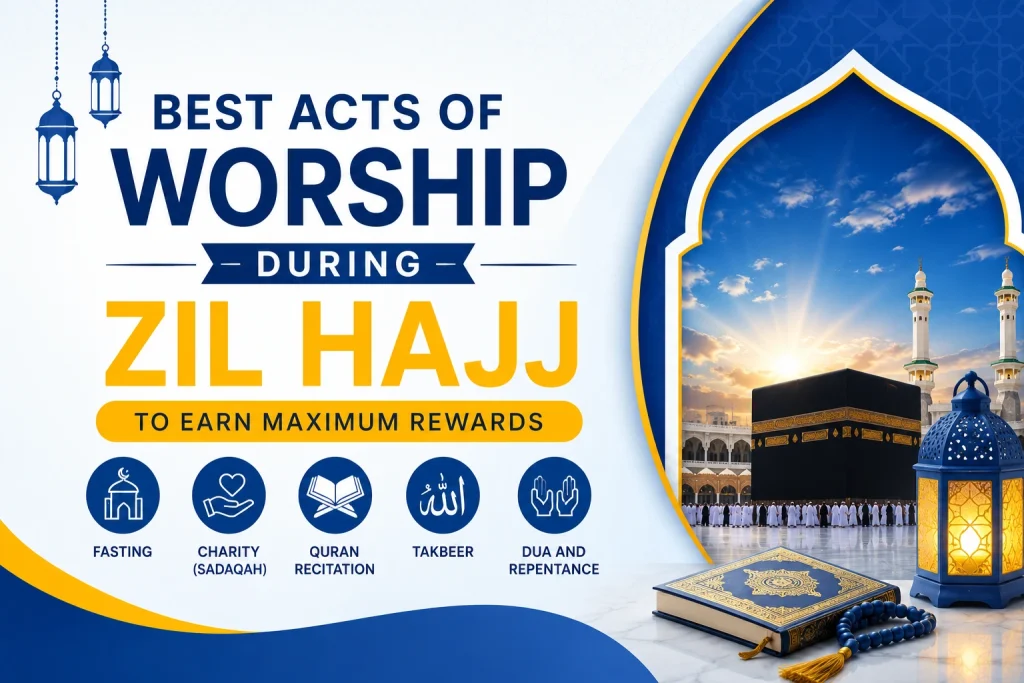
In this blog, we will discuss the best acts of worship during Zil Hajj, including fasting, charity, Quran recitation, Takbeer, dua, and repentance.
Why Are the First 10 Days of Zil Hajj Important?
The first ten days of Zil Hajj are considered highly sacred because they combine major acts of worship such as Hajj, fasting, prayer, sacrifice, and charity.
The Prophet Muhammad (PBUH) said that no good deeds are more beloved to Allah than those done during these ten days. This makes it the perfect time for Muslims to improve their faith and increase righteous actions.
These days also include:
- The Day of Arafah
- Eid ul Adha
- The days of sacrifice and remembrance of Allah
For believers, this is a chance to renew faith, seek forgiveness, and help those in need.
1. Fasting During Zil Hajj
The Reward of Fasting
Fasting is one of the best acts of worship during the first nine days of Zil Hajj, especially on the Day of Arafah.
The Prophet Muhammad (PBUH) taught that fasting on the Day of Arafah removes the sins of the previous and coming year for those who are not performing Hajj.
Fasting helps Muslims:
- Build patience
- Strengthen self-control
- Increase spirituality
- Feel gratitude for Allah’s blessings
Even fasting a few days during Zil Hajj can bring immense rewards.
Tips for Fasting During Zil Hajj
- Make sincere intentions for Allah
- Wake up for Suhoor
- Spend fasting hours in worship
- Avoid wasting time on unnecessary activities
- Increase dua before Iftar
Fasting is not only about avoiding food and drink; it is also about purifying the heart and improving character.
2. Giving Charity (Sadaqah)
Charity Brings Great Blessings
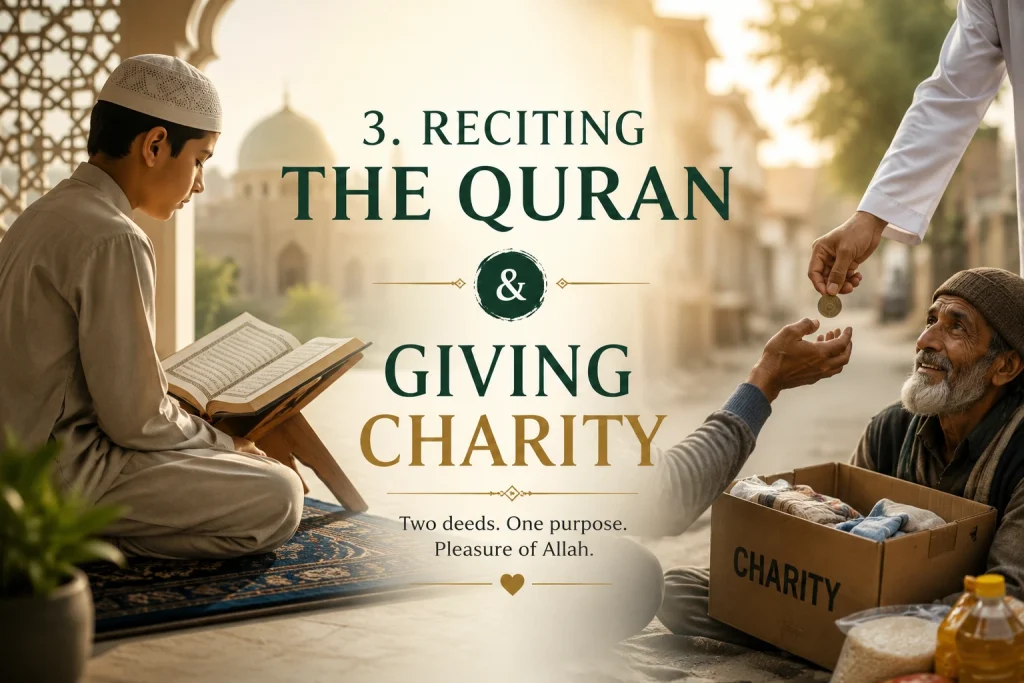
Giving charity during Zil Hajj is highly rewarding because helping others is greatly loved by Allah.
Many families around the world struggle with poverty, hunger, and financial difficulties. Your support can provide food, education, healthcare, and hope to those in need.
Simple acts of charity include:
- Donating food packages
- Supporting orphan children
- Helping widows and vulnerable families
- Contributing to Qurbani programs
- Providing clean water
Even a small donation can make a huge difference in someone’s life.
The Importance of Helping Orphans
Islam places special importance on caring for orphan children. Supporting orphans during Zil Hajj brings mercy and blessings from Allah.
Organizations like Help In Need work to provide financial assistance, education, food support, and welfare programs for vulnerable children and families.
When you help an orphan, you help build a brighter future for the entire community.
3. Reciting the Quran
Strengthen Your Connection With Allah
The Quran is the guidance for every Muslim. Reading and understanding the Quran during Zil Hajj increases spiritual peace and strengthens faith.
These blessed days are an excellent time to:
- Read Quran daily
- Reflect on its meaning
- Learn new Surahs
- Teach children Islamic values
- Improve Tajweed and recitation
Even reading a few verses every day can bring peace to the heart and countless rewards.
Create a Daily Quran Routine
You can:
- Read after Fajr prayer
- Listen to Quran during travel
- Read translation for better understanding
- Encourage family Quran sessions
Consistency is more important than quantity.
4. Reciting Takbeer
Remember Allah Frequently
One of the most beautiful acts during Zil Hajj is reciting the Takbeer:
“Allahu Akbar, Allahu Akbar, La ilaha illallah, Wallahu Akbar, Allahu Akbar wa lillahil hamd.”
Muslims are encouraged to recite Takbeer throughout the first ten days of Zil Hajj.
Takbeer reminds believers of:
- Allah’s greatness
- Gratitude and humility
- Faith and obedience
You can recite it:
- After prayers
- At home
- While driving
- With family and children
- During daily activities
Teaching Takbeer to children also helps them connect with Islamic traditions.
5. Making Dua and Seeking Repentance
Ask Allah for Forgiveness and Guidance
Zil Hajj is one of the best times to make dua and ask Allah for forgiveness.
Every person makes mistakes, but Allah loves those who sincerely repent and return to Him.
Use these days to:
- Make heartfelt duas
- Ask for forgiveness
- Pray for family and friends
- Seek protection and guidance
- Ask for success in this life and the Hereafter
The Day of Arafah is especially powerful for making dua.
Simple Ways to Increase Dua
- Raise hands with sincerity
- Make dua after Salah
- Ask Allah during Sujood
- Pray during Tahajjud
- Remember others in your duas
A sincere dua can change a person’s life completely.
Additional Good Deeds During Zil Hajj
Besides fasting and charity, Muslims can also:
- Offer extra Nafl prayers
- Maintain family ties
- Help neighbors
- Avoid sins and bad habits
- Spread kindness and positivity
Islam teaches that even smiling, helping others, and speaking kindly are acts of worship.
How Families Can Benefit From Zil Hajj Together
Zil Hajj is a wonderful opportunity for families to worship together and teach children Islamic values.
Families can:
- Pray together
- Read Quran daily
- Donate to charity together
- Encourage children to fast
- Share Islamic stories
- Prepare for Eid ul Adha
These small actions help build strong Islamic values in children from an early age.
Support Those in Need This Zil Hajj
While many families celebrate Eid with happiness, countless others struggle to afford basic necessities.
This Zil Hajj, you can help transform lives through your donations and support.
Help In Need continues to provide:
- Orphan support programs
- Food distribution
- Financial assistance
- Educational support
- Family welfare initiatives
Your contribution can bring hope, dignity, and relief to deserving families during these blessed days.
Donate This Zil Hajj and Earn Ongoing Rewards
The first ten days of Zil Hajj are a precious opportunity to multiply rewards and help those in need.
Join Help In Need in supporting orphan children, vulnerable families, and humanitarian projects.
Your donation can provide:
- Food for hungry families
- Education for orphan children
- Financial support for widows
- Essential aid for struggling communities
Donate today and make your Zil Hajj more meaningful through compassion, charity, and worship.
Conclusion
The blessed days of Zil Hajj are a time for spiritual growth, worship, and helping others. Through fasting, charity, Quran recitation, Takbeer, dua, and repentance, Muslims can earn immense rewards and strengthen their relationship with Allah.
These days remind us to become better believers, support our communities, and spread kindness wherever possible.
May Allah accept our worship, forgive our sins, and bless us all during this sacred month.
FAQs
1. What are the best acts of worship during Zil Hajj?
The best acts include fasting, giving charity, reciting the Quran, making Takbeer, offering prayers, and seeking forgiveness through dua and repentance.
2. Is fasting all 10 days of Zil Hajj necessary?
Fasting is recommended but not compulsory. Many Muslims fast the first nine days, especially the Day of Arafah, which has great rewards.
3. Why is charity important during Zil Hajj?
Charity helps those in need and brings great blessings from Allah. Donations during these blessed days carry increased rewards.
4. What is Takbeer in Zil Hajj?
Takbeer is the remembrance of Allah through phrases praising His greatness. Muslims recite it frequently during the first ten days of Zil Hajj.
5. How can I help orphan children during Zil Hajj?
You can support trusted organizations like Help In Need by donating to orphan support, food distribution, and welfare programs.